
The Drug Enforcement Administration says the administrative appeal tied to federal marijuana rescheduling “remains pending,” even as President Donald Trump has publicly directed the Justice Department to complete the process as quickly as possible.
In a joint status report filed Monday, DEA and marijuana reform advocates told an administrative court that an interlocutory appeal involving allegations of agency bias has yet to move forward. The appeal centers on claims that DEA engaged in improper communications with groups opposed to rescheduling marijuana during the agency’s review of whether the drug should be moved under the Controlled Substances Act.
“To date, Movants’ interlocutory appeal to the Administrator regarding their Motion to Reconsider remains pending with the Administrator,” DEA said in the filing, adding that “no briefing schedule has been set.” Responsibility for setting that schedule rests with the agency.
The filing marks the fourth joint status report submitted under an administrative law judge’s order, and its language closely mirrors previous updates. Nearly a year has passed since a former DEA administrative law judge accepted the appeal, fueling frustration among reform advocates who say the agency is unnecessarily dragging out the process.
The continued delay contrasts with statements made last year by DEA Administrator Terrance Cole, who told senators during his confirmation hearing that reviewing the cannabis rescheduling proposal would be among his top priorities.
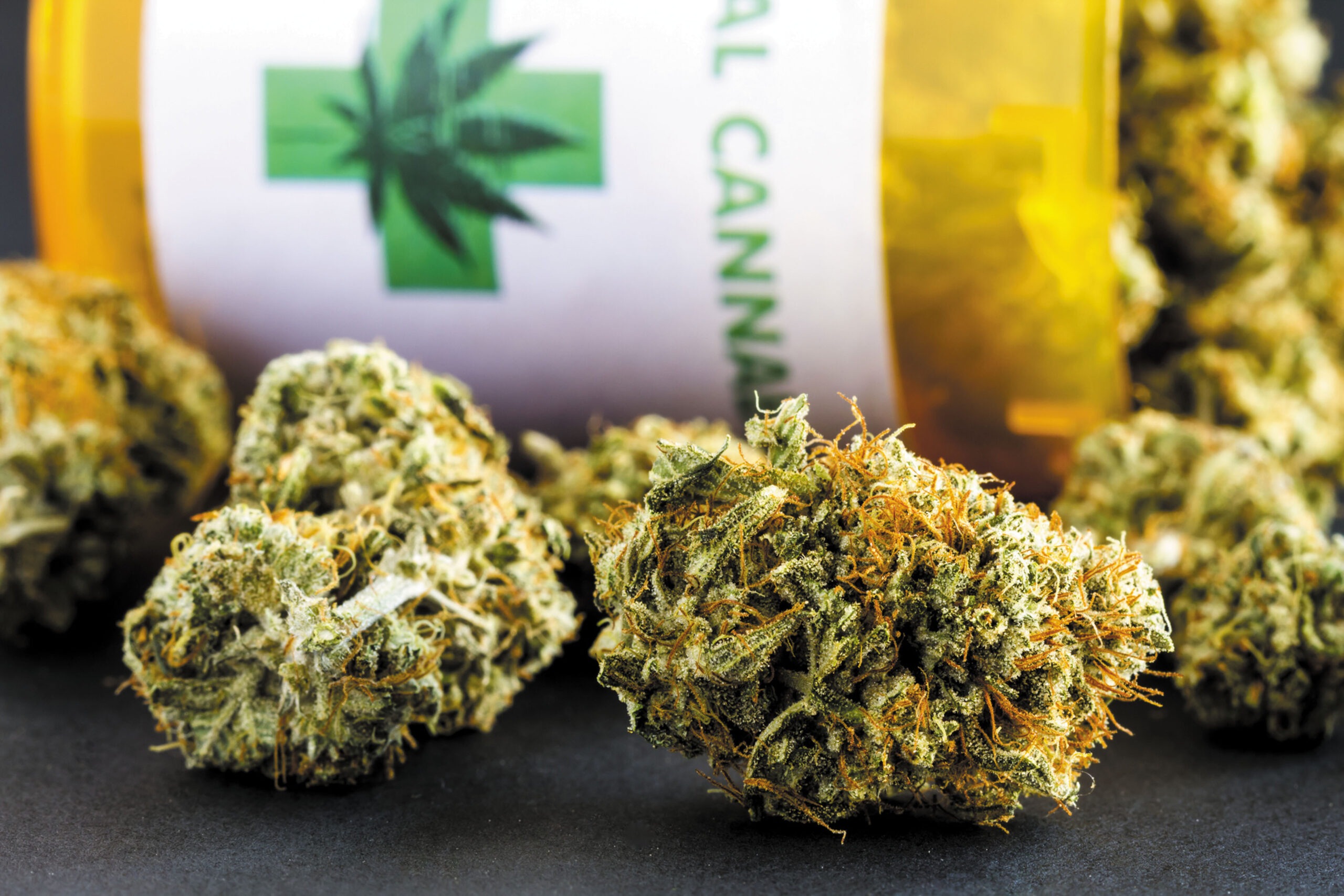
The latest development also comes weeks after Trump signed an executive order instructing Attorney General Pam Bondi to finalize a rule moving marijuana from Schedule I to Schedule III “in the most expeditious manner.” While rescheduling would not legalize cannabis, it would acknowledge its accepted medical use, ease research restrictions and allow state-legal marijuana businesses to claim federal tax deductions.
Opposition to the change remains active. A prominent prohibitionist organization recently announced it has retained former Attorney General Bill Barr and plans to sue to overturn rescheduling if the rule is finalized, while also pursuing administrative action to keep marijuana classified as a Schedule I substance. Separately, a coalition of Republican state attorneys general and several GOP members of Congress have urged Trump to abandon the reform.
Trump has dismissed those objections, citing broad public support and personal anecdotes about friends who have benefited medically from cannabis. A recent Congressional Research Service report noted that DOJ could still decline to enact rescheduling or restart the review process altogether.
Even as the appeal stalls, DEA has continued expanding research access to controlled substances. The agency recently finalized 2026 production quotas that further increase allowable manufacturing of marijuana and certain psychedelics, reflecting growing scientific interest in their therapeutic potential—an interest now at the center of an increasingly consequential policy debate.
Read the whole article from Marijuanamoment here.