


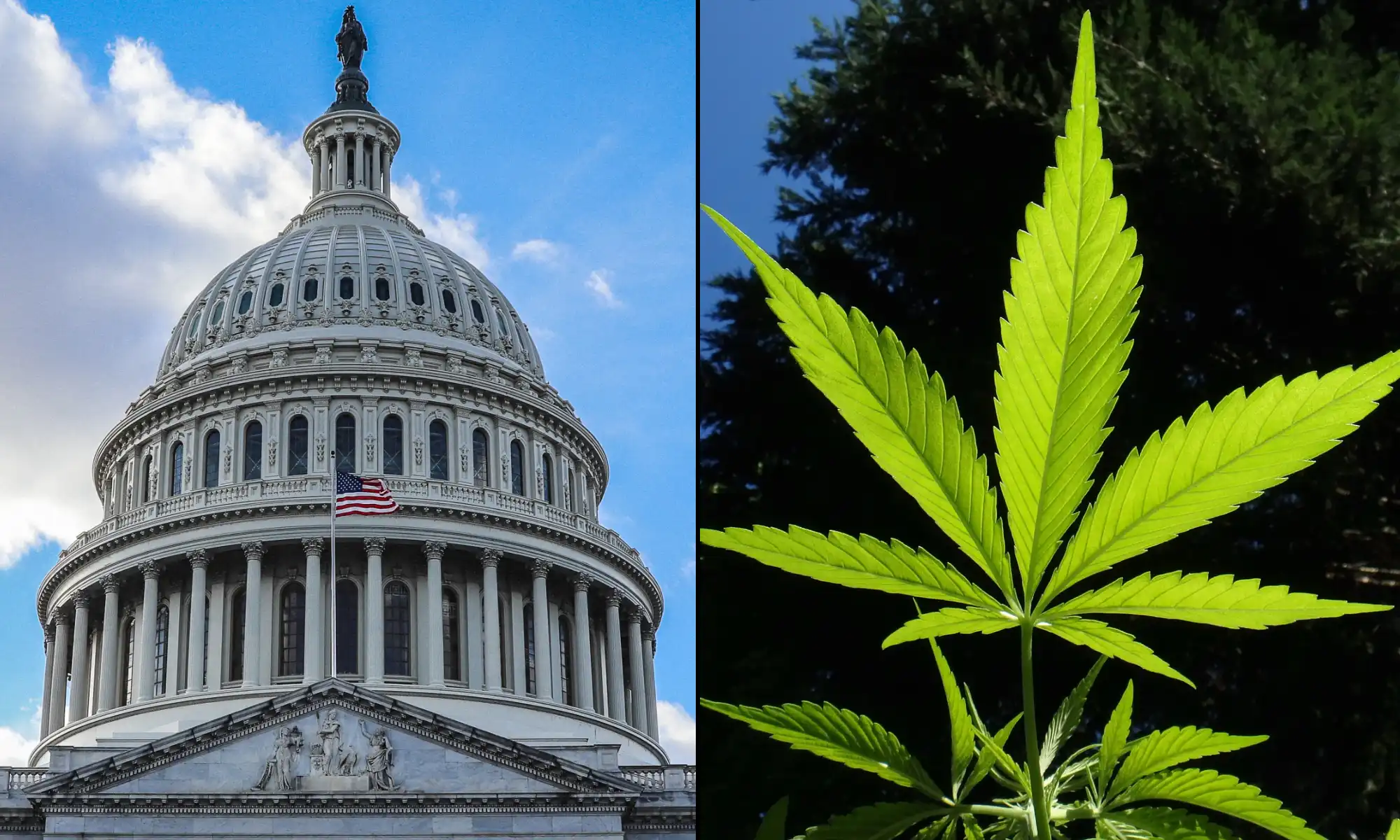
The Context Behind the Bipartisan Hemp THC Bill
Congress has introduced a new bipartisan bill aimed at addressing the legal ambiguity surrounding hemp-derived tetrahydrocannabinol (THC) products. These products, which are extracted from hemp plants containing less than 0.3% delta-9 THC, have surged in popularity but remain in a regulatory gray area at the federal level. The bill seeks to preserve the legality of these hemp THC items while establishing a structured regulatory and taxation system to govern their production and sale.
Who Stands to Be Affected?
The bill impacts a broad spectrum of stakeholders across the hemp and cannabis industries. Manufacturers and retailers of hemp-derived THC products would face new compliance requirements, including registration and quality controls. Additionally, consumers could see changes in product availability and pricing due to new taxes proposed under the bill. Law enforcement and regulatory agencies would gain clearer guidelines, potentially reducing enforcement inconsistencies related to these products.
Key Provisions Include:
- Maintaining the federal legality of hemp-derived THC products with less than 0.3% delta-9 THC by dry weight.
- Introducing excise taxes on hemp THC products, creating a new revenue stream for federal and state governments.
- Mandating registration and reporting requirements for producers and distributors.
- Implementing product testing and labeling standards to ensure consumer protection.
What Remains Uncertain?
Despite bipartisan support, the bill’s future in Congress remains uncertain amid competing priorities and the complex relationship between hemp and marijuana laws. It is unclear how states will align their policies with the new federal framework, particularly those with more restrictive cannabis regulations. Additionally, questions linger about how the bill will impact the broader cannabis industry, including potential overlap or conflict with marijuana legalization efforts.
Potential Implications and Next Steps
If enacted, the bill could represent a significant step in clarifying the legal landscape for hemp-derived THC products, providing industry players with more certainty and encouraging responsible market growth. The introduction of new taxes may also inject federal funds into regulatory enforcement and public health initiatives. Moving forward, stakeholders will closely monitor legislative developments and advocate for provisions that balance innovation, consumer safety, and market access.
For more details, see the original report at Marijuana Moment.
Source: Original source
Related Articles
This article is for informational purposes only and should not be considered medical, legal, or regulatory advice. Cannabis and hemp laws vary by location and may change over time.
The post Congress Proposes Bipartisan Bill to Regulate Hemp-Derived THC Products with New Taxes appeared first on Weed Deep Dive.
Originally published on Weed Deep Dive.